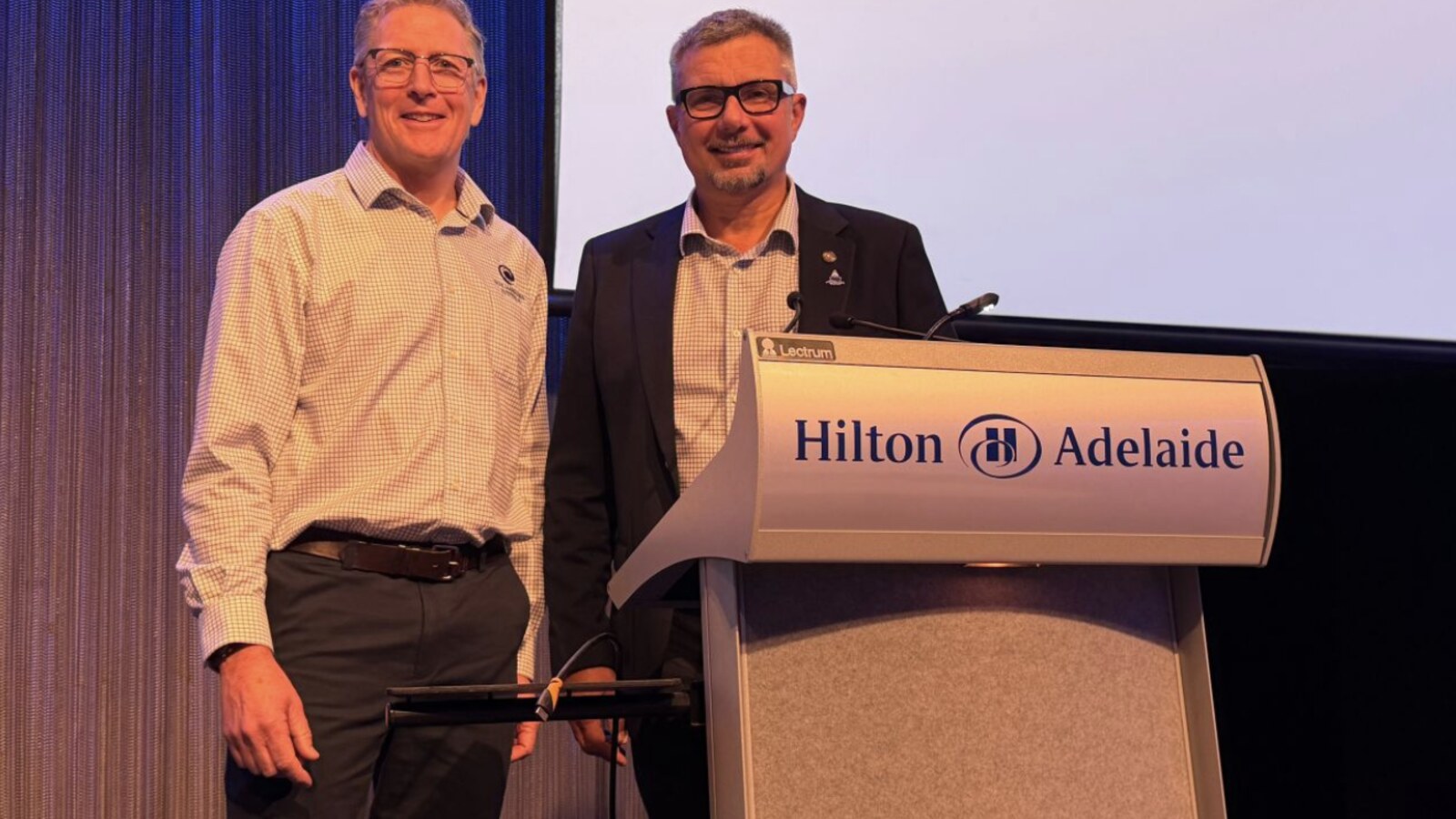
At the Australasian Marine Pilots Institute (AMPI) Regional Ports and Pilotage Conference in Adelaide, we explored the underlying concept and principles of High Reliability Organisations (HROs). Our argument was straightforward: when the stakes are measured in lives, ports, and communities, “ticking the box” is not enough.
Two tragedies, one shared truth
We walked through two case studies - the Space Shuttle Challenger disaster and the Jolly Nero tragedy - not to compare industries, but to underline a truth common to both. Even experienced teams, guided by clear procedures, can fail when:
- weak signals are ignored;
- near-misses are treated as reassurance instead of warnings;
- routine replaces vigilance; and
- expertise is overridden rather than empowered.
Because real safety is not static, it is adaptive. It is built through curiosity, rehearsal, feedback, and the humility to recognise that every transit, every vessel, and every team is different. They are all complex.
The FORCE principles
At the heart of our message lies a simple acronym - FORCE - drawn from the five principles that define high reliability organisations:
- Failure: a preoccupation with failure;
- Operations: sensitivity to operations;
- Resilience: a commitment to resilience;
- Complexity: an embrace of complexity; and
- Expertise: deference to expertise.
It is through implementing these principles that organisations are able to shift the question they ask - from “Are we compliant?” to “Are we effective?”
Beyond the rulebook
In pilotage and port operations, the unexpected does not follow your rulebook. The question is whether we have built the mindset, the muscle memory, and the culture to meet it.
This article was first published by Safe Harbours Australia on LinkedIn in November 2025, following the AMPI Regional Ports and Pilotage Conference in Adelaide.